




Pulsed Laser Deposition
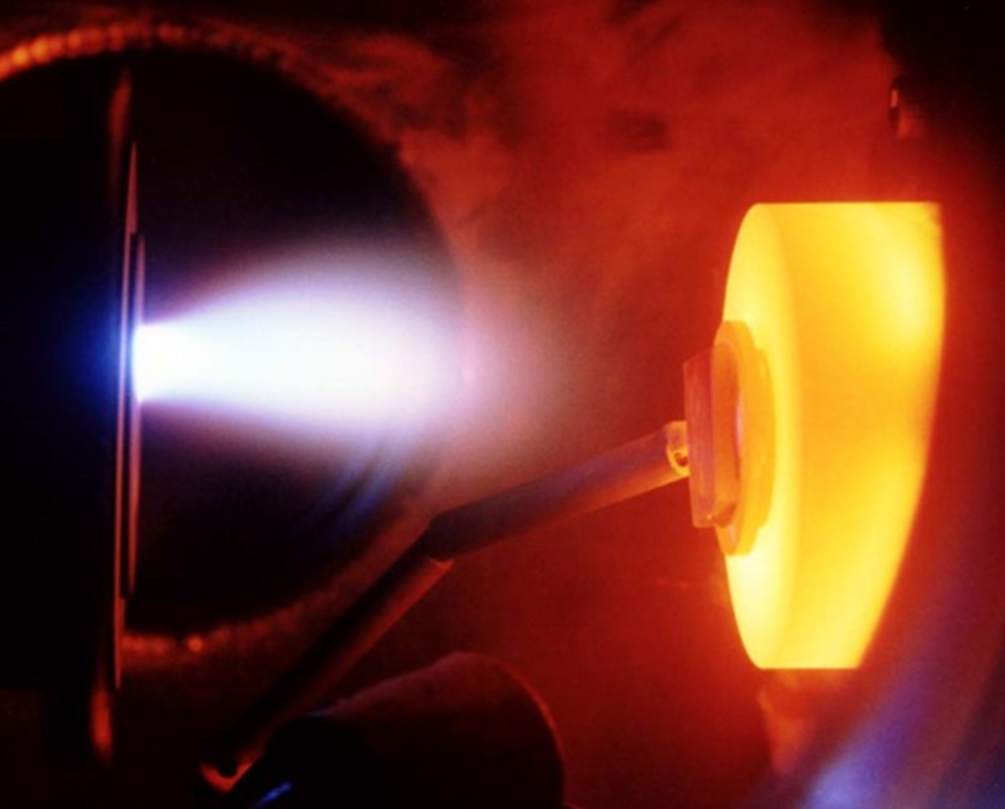
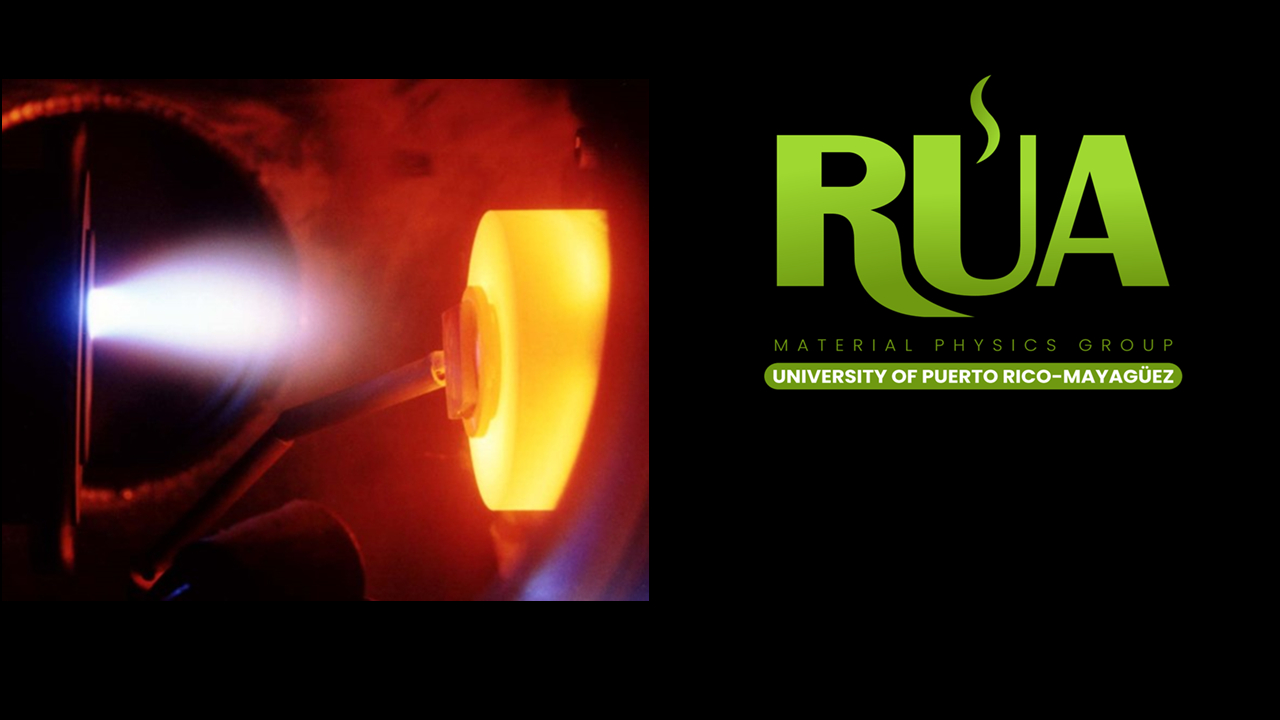
We offer two PLD systems. System #1 deposits oxide materials and includes a 4-target turret, mass flow controllers, residual gas analyzer, and a substrate heater up to 800°C in O2 atmosphere. System #2 is for nitride semiconductors with UHV chamber, nitrogen beam source, residual gas analyzer, electron gun evaporation source, and a sample heater over 800°C in vacuum. Discover our advanced deposition capabilities!
X-ray Diffraction
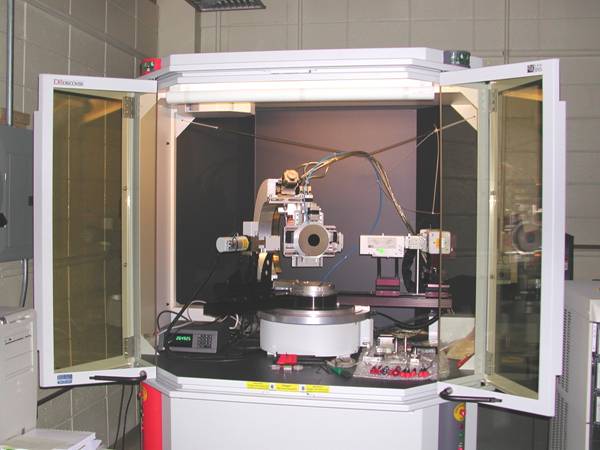
We offer high-resolution X-ray diffraction with the Bruker-AXS D8 Discover system, ideal for thin film studies. It includes a multilayer parabolic mirror for increased intensity and collimation, and a Ge crystal monochromator for better resolution. The Huber goniometer provides 7 degrees of freedom with computer-controlled movements and 0.0001° resolution. We also perform grazing-incidence reflectometry measurements.

Other Facilities
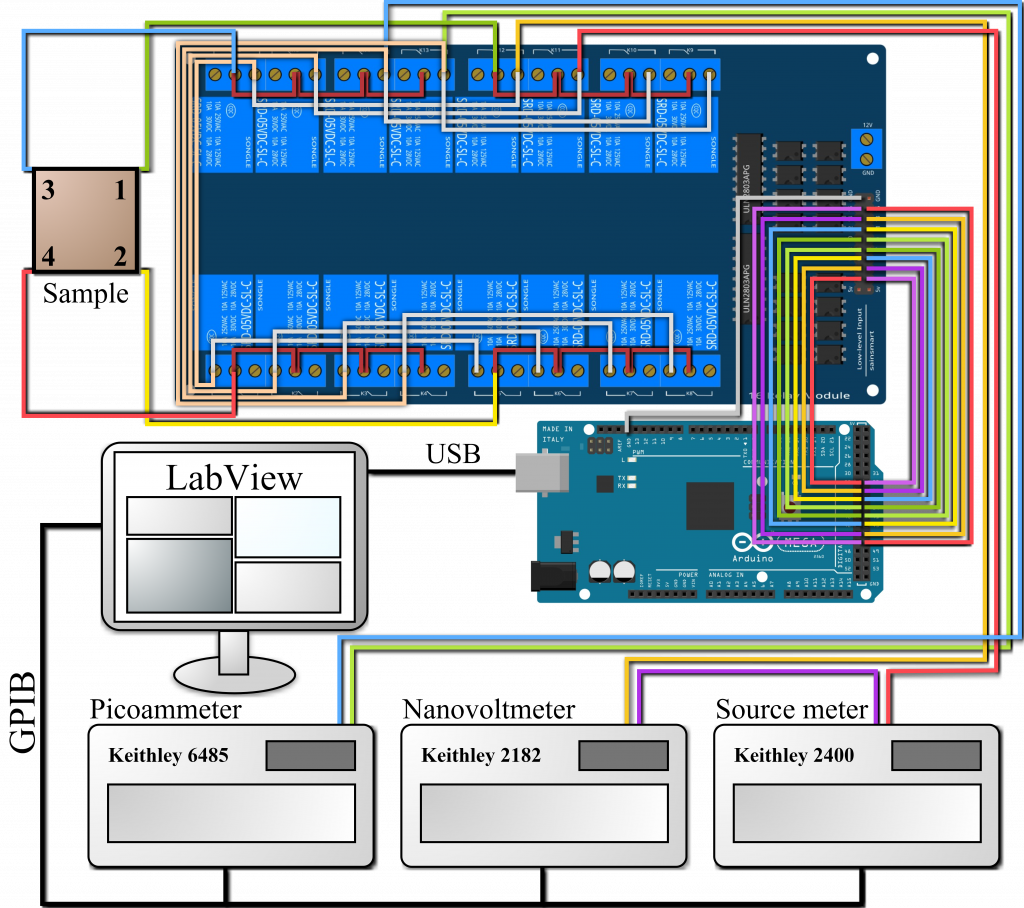
We offer electronic characterization of materials at temperatures down to 10 K and magnetic fields over 1 T. Our advanced instruments include current sources, nanovoltmeters, cryostats, and temperature controllers. We also measure dielectric permittivities and piezoelectric properties with high precision. Our 44-wavelength ellipsometer analyzes thin films. The entire process is controlled by an in-house developed LabView system.
 English
  Spanish